
Chapter Snapshot
Purpose
Help support cartilage maintenance as part of a comprehensive arthritis management plan. Not pain medication and not a cure.
How it Works
Provides construction materials for glycosaminoglycans, helps cartilage retain water, and supports normal tissue structure and elasticity.
Expectations
Slow-acting support. Benefits develop over weeks to months, cannot regenerate severely damaged cartilage, varies by individual pet.
What Are Glucosamine and Chondroitin?
For more than two decades, glucosamine and chondroitin have been among the world's most widely used supplements for supporting joint health—not only in people but also in dogs and cats. Walk into almost any veterinary clinic or pet supply store, and you're likely to find numerous products containing one or both of these ingredients. Their popularity has made them almost synonymous with joint care.
Yet despite their widespread use, many pet owners remain uncertain about what these supplements actually do.
Do they rebuild damaged cartilage?
Can they reverse arthritis?
Are they truly effective, or are they simply another marketing trend?
Why do some veterinarians recommend them while others seem less enthusiastic?
The answers are more nuanced than many advertisements suggest.
Glucosamine and chondroitin are not pain medications, nor are they miracle cures for osteoarthritis. Instead, they are considered slow-acting joint-support supplements. Any potential benefits generally develop gradually over several weeks or even months. Their role is not to eliminate arthritis but to help support joint health and, in some pets, improve comfort and mobility as part of a comprehensive management plan.
Understanding these supplements begins with understanding how a healthy joint functions.
Understanding Healthy Cartilage
Healthy joints are remarkable pieces of biological engineering. The ends of bones are covered by a smooth, resilient tissue called articular cartilage, which allows bones to glide over one another with minimal friction.
Cartilage performs several essential functions:
- Cushions joints during movement
- Distributes forces evenly across the joint
- Absorbs shock while running, jumping, and climbing stairs
- Allows smooth, pain-free motion
Unlike muscles or skin, cartilage contains very few cells and has virtually no direct blood supply. As a result, it has only a limited ability to repair itself after injury or age-related wear.
The strength and flexibility of cartilage come from three primary components:
- Collagen fibers, which provide structural support.
- Proteoglycans, which act like microscopic sponges that attract and retain water.
- Water, which makes up most of healthy cartilage and allows it to compress and rebound under pressure.
When a dog develops osteoarthritis, this delicate balance begins to break down. Cartilage gradually loses water, its structure weakens, inflammation increases, and the smooth surface becomes rough and damaged. Over time, movement becomes increasingly uncomfortable, leading to stiffness, reduced activity, and pain.
What Is Glucosamine?
Glucosamine is a naturally occurring amino sugar found throughout the body. It serves as one of the basic building blocks used to produce glycosaminoglycans (GAGs) and proteoglycans, both of which are important structural components of healthy cartilage.
In simple terms, glucosamine provides some of the raw materials the body uses to maintain normal cartilage and joint tissues.
Commercial glucosamine supplements are typically produced from shellfish shells or through fermentation. The three most common forms include:
- Glucosamine sulfate
- Glucosamine hydrochloride (HCl)
- N-acetyl glucosamine
Although these forms differ chemically, veterinary supplements most commonly use either glucosamine sulfate or glucosamine hydrochloride.
What Is Chondroitin?
Chondroitin sulfate is another naturally occurring molecule found within healthy cartilage. Unlike glucosamine, which serves primarily as a precursor for building cartilage components, chondroitin itself is already a major structural component of cartilage.
Its primary functions include:
- Helping cartilage retain water
- Supporting elasticity and resilience
- Contributing to the tissue's ability to absorb shock
- Helping maintain the normal structure of cartilage
Because healthy cartilage contains abundant chondroitin, researchers hypothesized decades ago that supplementing this compound might help support joints affected by osteoarthritis.
Why Were These Supplements Developed?
The original concept behind glucosamine and chondroitin supplementation seems logical.
If arthritis gradually damages cartilage and cartilage naturally contains glucosamine-related compounds and chondroitin, perhaps providing additional amounts of these molecules could help support cartilage maintenance or slow further deterioration.
This idea generated tremendous interest beginning in the 1990s, leading to hundreds of scientific studies in both human and veterinary medicine.
Today, glucosamine and chondroitin remain among the most extensively studied joint supplements available for companion animals.
However, the science has revealed that the story is considerably more complex than simply replacing "missing cartilage."
A Common Misconception
One of the biggest misunderstandings surrounding glucosamine and chondroitin is the belief that they rebuild worn-out cartilage.
Current scientific evidence does not support this claim.
Think of these supplements as providing construction materials rather than sending a repair crew.
Imagine a damaged road.
Delivering more asphalt to the construction site does not automatically repair the potholes. The road still requires workers, machinery, planning, favorable conditions, and time.
Similarly, providing glucosamine or chondroitin does not automatically regenerate cartilage. The body must absorb these compounds, transport them to joint tissues, and incorporate them into an extremely complex biological process that is influenced by age, inflammation, genetics, body weight, activity level, and the severity of arthritis.
This is why modern veterinary medicine generally considers glucosamine and chondroitin supportive nutrients, not cartilage-regenerating therapies.
Setting Realistic Expectations
One of the most important goals of any arthritis management plan is setting realistic expectations.
No supplement currently available has been proven to regenerate severely damaged cartilage or cure osteoarthritis.
Instead, the objective is to help pets remain as comfortable, active, and mobile as possible for as long as possible.
For some dogs, the improvements may be noticeable:
- Standing up more easily
- Climbing stairs with less hesitation
- Taking longer walks
- Playing more comfortably
- Showing less stiffness after resting
For others, the effects may be subtle—or there may be little noticeable improvement at all.
This variability is one reason glucosamine and chondroitin remain subjects of ongoing research and discussion within veterinary medicine.
Fortunately, scientists now have a much better understanding of how these supplements may work inside the joint, which helps explain both their potential benefits and their limitations.
How Do Glucosamine and Chondroitin Work?
To understand why glucosamine and chondroitin are so widely used in joint supplements, it helps to understand how healthy cartilage functions.
Cartilage is often thought of as an inert cushion between bones, but it is actually a living tissue that is constantly being maintained. Throughout a dog's life, cartilage undergoes a continuous cycle of breakdown and repair. Specialized cells called chondrocytes are responsible for producing new cartilage components while also removing and replacing older or damaged material.
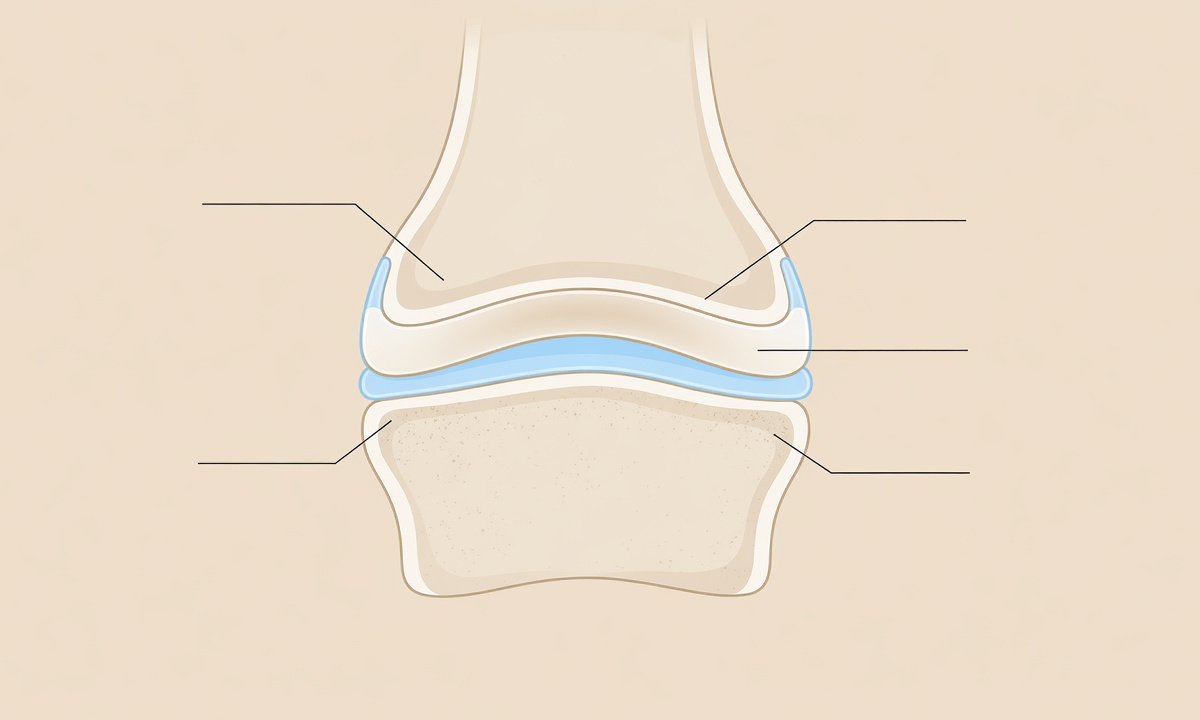
In a healthy joint, these processes remain balanced.
In osteoarthritis, however, that balance gradually shifts. Cartilage begins to break down faster than it can be repaired. Over time, the protective surface becomes thinner, the joint loses some of its ability to absorb shock, and inflammation further accelerates tissue damage.
Rather than reversing this process, glucosamine and chondroitin are intended to support the normal maintenance of cartilage and help preserve joint function for as long as possible.
Glucosamine: A Building Block for Cartilage
Glucosamine is a naturally occurring amino sugar found within healthy cartilage.
The body uses it to produce glycosaminoglycans (GAGs) and proteoglycans, important structural components that help form the cartilage matrix.
You can think of glucosamine as providing some of the raw materials needed for normal cartilage maintenance. When cartilage is continuously being repaired, these building blocks are incorporated into newly formed tissue.
Scientists have also investigated whether glucosamine may influence certain biological pathways involved in cartilage metabolism and inflammation. Laboratory studies suggest it may help support the normal activity of cartilage-producing cells, although these effects appear to be modest and continue to be studied.
It is important to recognize that providing additional glucosamine does not necessarily mean the body will rebuild damaged cartilage. Osteoarthritis is far more complex than a simple shortage of one nutrient.
Chondroitin: Helping Cartilage Stay Resilient
Chondroitin sulfate is another naturally occurring component of healthy cartilage.
One of its most important roles is helping cartilage attract and retain water.
This hydration is essential because cartilage functions like a shock absorber. When compressed during walking or running, healthy cartilage briefly changes shape before returning to its original form. Water plays a critical role in this process, allowing joints to absorb mechanical forces while reducing stress on the underlying bone.
As cartilage deteriorates during osteoarthritis, its ability to retain water gradually declines. This contributes to reduced elasticity and diminished shock-absorbing capacity.
Researchers believe supplemental chondroitin may help support the normal structure and hydration of cartilage, although, like glucosamine, it cannot restore cartilage that has already been severely damaged.
Why Are They Often Used Together?
One of the reasons glucosamine and chondroitin are frequently combined is that they support different aspects of cartilage biology.
Glucosamine
Contributes building blocks involved in cartilage maintenance, supporting the body's natural repair processes.
Chondroitin
Helps support the cartilage matrix by maintaining hydration and structural resilience.
Rather than competing with one another, these nutrients are intended to provide complementary support for normal joint function.
For this reason, many veterinary supplements include both ingredients in the same formulation, and many clinical studies evaluate them together rather than separately.
This makes it difficult to determine exactly how much each ingredient contributes individually, but it also reflects how they are commonly used in real-world veterinary practice.
Supporting Joint Function Rather Than Rebuilding Cartilage
A Common Misconception
One of the most common misconceptions surrounding glucosamine and chondroitin is that they rebuild worn-out joints.
Current scientific evidence does not support this claim.
No nutritional supplement has been shown to regenerate severely damaged cartilage or reverse advanced osteoarthritis.
Instead, these ingredients should be viewed as supportive nutritional tools that may help maintain joint function, particularly when introduced early in the course of disease and combined with other evidence-based strategies.
For some dogs, this may mean:
- Greater ease when standing after rest
- Less stiffness during daily walks
- Improved willingness to exercise
- Better overall mobility
- Improved quality of life
These improvements may seem modest, but they can make a meaningful difference for dogs living with chronic joint disease.
More Than a Single Supplement
Modern veterinary medicine increasingly approaches osteoarthritis as a disease that requires multiple complementary strategies.
Weight management, appropriate exercise, physical rehabilitation, environmental modifications, pain management when necessary, and nutritional support all contribute to long-term joint health.
Within this broader approach, glucosamine and chondroitin are best viewed as supportive components rather than stand-alone solutions.
Their greatest value lies not in replacing veterinary treatment, but in complementing a comprehensive arthritis management plan tailored to each individual dog.
Coming Next
The next question, however, is the one that matters most to pet parents:
Do glucosamine and chondroitin actually improve mobility and comfort in dogs with osteoarthritis?
The answer depends on what veterinary clinical studies have found, which we'll examine next.
What Does the Research Say?
Glucosamine and chondroitin are among the most extensively studied joint supplements in both human and veterinary medicine. Over the past three decades, researchers have conducted numerous laboratory experiments, clinical trials, and systematic reviews in an effort to determine whether these ingredients truly improve the lives of dogs with osteoarthritis.
If you've searched online, you've probably encountered conflicting opinions. Some articles describe glucosamine and chondroitin as essential joint supplements, while others claim they are ineffective.
So who's right?
The answer is more nuanced than either extreme suggests.
Current scientific evidence indicates that glucosamine and chondroitin are not miracle treatments, but neither should they be dismissed as useless. Instead, the available research suggests that some dogs appear to benefit, while others experience little or no measurable improvement.
Understanding why studies reach different conclusions helps explain why these supplements continue to play a role in veterinary medicine.
What Have Veterinary Clinical Studies Found?
Many veterinary studies have evaluated whether glucosamine and chondroitin improve mobility, reduce stiffness, or increase comfort in dogs with osteoarthritis.
Overall, the findings follow a consistent pattern.
Some studies have reported modest improvements in mobility, weight-bearing, activity levels, or owner-assessed comfort after several weeks of supplementation. These improvements are generally gradual rather than dramatic and tend to become noticeable only after continuous use.
Other studies, however, have found little difference between supplemented dogs and those receiving a placebo.
At first glance, these results may seem contradictory.
In reality, they reflect the complexity of osteoarthritis itself rather than proving that the supplements either always work or never work.
Why Do Study Results Differ?
One of the biggest challenges in nutritional research is that not every study investigates the same product under the same conditions.
Several important factors can influence the outcome.
Different Supplement Formulations
Not all glucosamine or chondroitin products are identical. Different manufacturers may use different raw materials, manufacturing processes, ingredient purity, or dosages. Some products contain glucosamine alone, while others combine it with chondroitin, MSM, omega-3s, or other ingredients. When two studies evaluate different formulations, their findings cannot always be compared directly.
Different Stages of Osteoarthritis
Dogs with mild arthritis may respond differently than dogs with advanced joint disease. When cartilage damage is relatively limited, supporting joint metabolism may provide greater benefit than when severe structural changes have already occurred. This helps explain why some veterinarians prefer introducing supplements early.
Different Treatment Durations
Glucosamine and chondroitin are slow-acting nutritional supplements. Unlike pain medications, they do not produce immediate effects. Some clinical trials have lasted only a few weeks, which may not provide enough time for gradual improvements to become measurable. Longer studies often report more favorable outcomes than very short trials.
Measuring Improvement Is Difficult
Pain cannot be measured directly in dogs. Researchers must rely on indirect methods including veterinary orthopedic examinations, force plate analysis, activity monitors, owner questionnaires, and mobility scoring systems. A dog may appear noticeably better to its owner while showing only small changes during objective measurements—or vice versa.
Why Laboratory and Clinical Studies Don't Always Agree
Laboratory research often demonstrates that glucosamine and chondroitin can influence cartilage cells, inflammatory pathways, or components of the cartilage matrix under controlled conditions.
These findings help scientists understand how the ingredients might work.
However, living dogs are far more complex than isolated cells in a laboratory.
Once swallowed, supplements must survive digestion, be absorbed through the intestine, enter the bloodstream, reach joint tissues, and interact with an already complex disease process.
Age, body weight, genetics, concurrent diseases, activity level, and the severity of arthritis all influence the final outcome.
For this reason, promising laboratory results do not always translate into equally dramatic clinical improvements.
Which Dogs Are Most Likely to Benefit?
Although it is impossible to predict how an individual dog will respond, clinical experience suggests that certain dogs are more likely to benefit than others.
Potential candidates include:
- Dogs with early or mild osteoarthritis
- Senior dogs beginning to show stiffness
- Active breeds at increased risk of joint disease
- Dogs recovering from orthopedic surgery as part of a veterinarian-directed rehabilitation plan
- Dogs participating in a comprehensive arthritis management program
Conversely, dogs with severe, advanced osteoarthritis may still require prescription pain medications, rehabilitation therapy, weight management, or other treatments in addition to nutritional support.
Why Many Veterinarians Still Recommend Them
One question many pet owners ask is:
If the evidence is mixed, why do so many veterinarians continue recommending glucosamine and chondroitin?
The answer lies in balancing potential benefit against potential risk.
These supplements have a long history of use and are generally considered very safe for most dogs.
Although the expected improvements are usually modest, even small increases in comfort or mobility may meaningfully improve a senior dog's quality of life.
When combined with weight control, regular low-impact exercise, physical rehabilitation, appropriate pain management, and other evidence-based therapies, glucosamine and chondroitin may provide an additional layer of support.
Modern veterinary medicine increasingly emphasizes multimodal arthritis management, recognizing that no single treatment addresses every aspect of osteoarthritis.
Instead, several complementary approaches often work better together than any one therapy alone.
Within this broader strategy, glucosamine and chondroitin are best viewed as supportive nutritional tools rather than primary treatments.
A Balanced Perspective
Scientific evidence rarely produces simple yes-or-no answers.
Current research suggests that glucosamine and chondroitin are unlikely to transform a severely arthritic dog into a pain-free athlete.
At the same time, the evidence does not justify dismissing them entirely.
For some dogs, particularly when introduced early and used consistently as part of a comprehensive arthritis management plan, these supplements may contribute to better comfort, improved mobility, or a higher quality of life.
The challenge lies in maintaining realistic expectations while choosing products supported by good manufacturing practices and appropriate veterinary guidance.
Coming Next
That raises another important question:
Are glucosamine and chondroitin safe for long-term use, and how can pet owners choose a high-quality supplement?
Let's examine those questions next.
Is It Safe for Long-Term Use?
One reason glucosamine and chondroitin have remained popular for decades is their generally favorable safety profile. Compared with many medications used to manage osteoarthritis, these supplements are considered low risk for most healthy dogs when used according to veterinary recommendations.
Most dogs tolerate them well, even when taken for months or years.
Like any supplement, however, they are not completely free of potential side effects.
The most commonly reported reactions are mild gastrointestinal disturbances, including occasional vomiting, soft stools, diarrhea, or reduced appetite. These symptoms are usually temporary and often improve when the supplement is given with food or introduced gradually.
Serious adverse effects appear to be uncommon.
Because many glucosamine products are manufactured from shellfish-derived materials, pet owners sometimes worry about shellfish allergies. Fortunately, allergic reactions are considered rare because the allergenic proteins found in shellfish meat are largely absent from the purified glucosamine used in supplements. Nevertheless, dogs with a known history of severe shellfish allergy should only receive these products under veterinary guidance.
Some owners also ask whether glucosamine is safe for dogs with diabetes because it contains the word "glucose." Current evidence suggests that glucosamine does not significantly raise blood glucose levels in most dogs. Even so, diabetic dogs should continue routine monitoring and any supplementation should be discussed with the veterinarian managing their diabetes.
Drug interactions also appear to be limited. Glucosamine and chondroitin are commonly used alongside prescription pain medications, rehabilitation programs, weight management, and omega-3 supplementation as part of a multimodal arthritis management plan.
As with any supplement, owners should contact their veterinarian if vomiting, persistent diarrhea, loss of appetite, or other unexpected symptoms develop after starting a new product.
Overall, the available evidence supports the conclusion that glucosamine and chondroitin are among the safest long-term nutritional supplements currently used for canine joint support.
Choosing a Quality Supplement
Not all joint supplements are created equally.
One of the challenges facing pet owners is that products can differ substantially in ingredient quality, manufacturing standards, dosage, and overall formulation. Two supplements may list glucosamine and chondroitin on the label while delivering very different amounts—or very different levels of quality.
Choosing a reputable product is often just as important as choosing the ingredients themselves.
Glucosamine Sulfate or Glucosamine Hydrochloride?
The two forms most commonly found in veterinary supplements are glucosamine sulfate and glucosamine hydrochloride (HCl).
Both provide glucosamine, but they are chemically different.
Most of the research in both human and veterinary medicine has historically focused on glucosamine sulfate, particularly pharmaceutical-grade formulations used in clinical studies. Because of this, glucosamine sulfate generally has the stronger body of supporting evidence.
Glucosamine hydrochloride contains a higher percentage of glucosamine by weight, but fewer high-quality studies have evaluated it independently. This does not necessarily mean it is ineffective—only that less research is currently available.
Rather than focusing exclusively on one form, veterinarians generally place greater importance on the overall quality of the product, appropriate dosing, and whether the supplement comes from a reputable manufacturer.
What Should Pet Owners Look For?
When comparing supplements, consider the following:
- Clearly labeled amounts of glucosamine and chondroitin
- Appropriate dosing recommendations based on body weight
- Manufacturing by reputable companies with quality-control standards
- Third-party testing or independent quality certification when available
- Products formulated specifically for dogs
Be cautious of products that make dramatic claims such as "rebuilds cartilage," "cures arthritis," or "works within days." These statements are not supported by current scientific evidence.
High-quality supplements emphasize realistic expectations rather than extraordinary promises.
Veterinary Insight
Most veterinarians do not recommend glucosamine and chondroitin because they expect these supplements to cure arthritis.
Instead, they often include them as one component of a comprehensive arthritis management plan that may also involve maintaining a healthy body weight, regular low-impact exercise, physical rehabilitation, omega-3 fatty acids, prescription medications when needed, and environmental modifications at home.
The objective is not to reverse osteoarthritis, but to help dogs remain comfortable, mobile, and active for as long as possible.
Myth vs. Fact
Myth
Glucosamine rebuilds worn-out cartilage.
Fact
No nutritional supplement has been proven to regenerate severely damaged cartilage or reverse osteoarthritis.
Myth
If my dog doesn't improve after two weeks, the supplement isn't working.
Fact
When benefits occur, they usually develop gradually over several weeks or months.
Myth
Every dog responds the same way.
Fact
Individual response varies considerably depending on age, body weight, severity of arthritis, genetics, activity level, and many other factors.
Myth
Higher doses always work better.
Fact
Appropriate dosing and product quality are more important than simply increasing the amount.
Myth
Joint supplements can replace veterinary treatment.
Fact
Current evidence supports using glucosamine and chondroitin as supportive nutritional tools within a broader arthritis management plan—not as replacements for veterinary care.
Frequently Asked Questions
Evidence Snapshot
Key Takeaways
- 1Glucosamine and chondroitin are among the most widely studied joint supplements available for dogs.
- 2They help support normal cartilage maintenance but do not regenerate severely damaged cartilage.
- 3Benefits, when they occur, usually develop gradually over weeks or months.
- 4Scientific studies show mixed results, partly because products, dosages, study designs, and patient populations differ.
- 5Some dogs experience meaningful improvements in comfort and mobility, while others show little measurable response.
- 6Product quality, realistic expectations, and consistent use are all important.
- 7These supplements work best as one part of a comprehensive arthritis management plan that includes weight management, appropriate exercise, veterinary care, and, when necessary, additional treatments.
Looking Ahead
Glucosamine and chondroitin provide nutritional building blocks that help support the normal structure and function of healthy cartilage.
But they are not the only supplements being investigated for canine joint health.
Continue to Chapter 2.4
Green-Lipped Mussel
Another increasingly popular option is Green-Lipped Mussel, a unique marine ingredient that naturally contains omega-3 fatty acids, glycosaminoglycans, and a variety of other bioactive compounds.
Unlike glucosamine and chondroitin, which primarily provide structural support for cartilage, Green-Lipped Mussel may influence joint health through several complementary biological mechanisms.
In the next chapter, we'll explore what makes this New Zealand shellfish unique, examine the current veterinary evidence, and discuss where it may fit within a comprehensive arthritis management plan.
Continue Reading