
Introduction
This guide is building the complete editorial framework for senior dog supplements. Final chapters will be added after veterinary review.
Supplements generate strong opinions, and the market moves quickly. Our goal is simple: explain what is known, what is still uncertain, and how to make careful decisions with your veterinarian.
We focus on evidence strength, realistic timelines, and safety considerations rather than product recommendations. When research is limited, we say so clearly.
The structure you see here mirrors the Nutrition Guide exactly — same typography, spacing, callout styles, and mobile behavior — so this resource will feel like part of the same publication once content is complete.
How to Use This Guide
Every senior dog is different, and not every dog needs supplements. This guide is designed to help you understand when supplementation may be appropriate, how strong the scientific evidence is, and which questions to discuss with your veterinarian.
You don't need to read every chapter from beginning to end. If you're looking for information about a specific concern, use the quick navigation below or jump directly to the relevant chapter.
Quick Facts
Supplements are not a replacement for complete and balanced nutrition. They are intended to complement diet and veterinary care when there is a clear reason.
Joint support is the most common reason pet parents consider supplements for senior dogs, especially for stiffness after rest.
Cognitive support ingredients are often discussed for aging dogs showing changes in memory, sleep patterns, or interaction.
Quality varies widely. Third-party certifications, transparent sourcing, and lot testing are stronger signals than marketing claims.
Omega-3s from marine sources, fibers, and certain probiotics have more published research than most proprietary blends.
Always discuss supplements with your veterinarian before starting, especially if your dog takes medications or has liver, kidney, or heart conditions.
Why You Can Trust This Guide
Happy Senior Pet guides are written to help you discuss decisions with your veterinarian, not to replace that conversation.
This Supplement Guide will cite peer-reviewed literature, veterinary association resources, university hospital guidance, and quality standards such as NASC and third-party testing programs where relevant. Claims about efficacy are tied to evidence tiers, and safety notes highlight known interactions.
We do not accept paid product placement. When products are mentioned as examples of quality signals, it is to illustrate how to read a label, not to endorse a brand.
Editorial Components — Reference
Throughout this guide, you will encounter several editorial components designed to make complex information easier to understand and act on. Here is what each one means.
Veterinary Insight
Veterinary Insight
Veterinary Insight boxes provide clinical context from practicing veterinarians. They help you understand why certain recommendations matter and when a symptom or observation warrants professional attention.
Research Highlight
Research Highlight
Research Highlight boxes summarize what peer-reviewed studies and veterinary research institutions currently suggest. They distinguish between established evidence, emerging findings, and areas where the science is still developing.
Practical Takeaway
Practical Takeaway
Practical Takeaway boxes offer one clear, actionable step you can take today — framed calmly and realistically. No product recommendations, just simple observations and habits that support your dog's well-being.
Myth vs Fact
Supplements can replace a poor diet if you pick the right ones.
No supplement can compensate for an incomplete or unbalanced diet. Complete nutrition, healthy weight, regular exercise, and veterinary care form the foundation — supplements are designed to complement these, not replace them.
Evidence Snapshot
Evidence Snapshot
Supplement Name
e.g., Omega-3 EPA/DHA
Primary Purpose
Supporting joint comfort and inflammatory response
Best For
Dogs with early stiffness or those needing general mobility support
Evidence Strength
Moderate — multiple canine studies, more needed on dose
Time to Results
4–8 weeks with consistent dosing
Safety
Generally well tolerated; discuss with vet if on anticoagulants
Veterinary Use
Commonly discussed in senior wellness exams
Bottom Line
A widely discussed option with reasonable evidence. Helpful for some dogs alongside weight management, exercise, and veterinary care.
Bottom Line
A widely discussed option with reasonable evidence. Helpful for some dogs alongside weight management, exercise, and veterinary care.
Bottom Line
A widely discussed option with reasonable evidence. Helpful for some dogs alongside weight management, exercise, and veterinary care.
Did You Know & Checklist Variants
Did You Know?
Studies suggest that fewer than 10% of pet supplements on the market carry independent third-party verification such as NASC or NSF certification. Looking for these seals on a label is one of the quickest ways to identify manufacturers that invest in quality control.
What You Can Do Today
Questions to Ask Your Veterinarian
- Is there a reason to consider a supplement for my dog right now?
- Are there any interactions with current medications?
- What dose and form makes sense, and how long should we try it?
- How will we know if it is helping?
Do Senior Dogs Really Need Supplements?
A calm look at when supplements help, when food and veterinary care are enough, and how to avoid unnecessary products.
Introduction
As our dogs grow older, we naturally begin looking for ways to help them stay healthy, comfortable, and active for as long as possible. A quick search online reveals hundreds of supplements that promise to support joints, improve memory, strengthen the immune system, protect vital organs, and even slow the aging process.
With so many options available, it is easy to wonder:
Does every senior dog actually need supplements?
The answer is no—but some certainly can benefit from them.
The challenge is knowing which dogs are likely to benefit, which supplements are supported by science, and which products rely more on marketing than evidence.
Supplements should never replace proper nutrition, exercise, weight management, or routine veterinary care. Instead, they should be viewed as one tool among many that may help support healthy aging when used appropriately.
This guide was created to help you make informed, evidence-based decisions. Throughout the following chapters, we will examine the most common supplement categories used in senior dogs, review the current veterinary research, discuss realistic expectations, and help you decide which products may be worth discussing with your veterinarian.
Our goal is simple:
Help you invest in what truly benefits your senior dog—not in marketing claims.
Why Are Supplements So Popular?
Dogs are living longer than ever before.
Advances in veterinary medicine, better nutrition, parasite prevention, vaccinations, and improved preventive care have dramatically increased canine life expectancy over the past several decades. As a result, many owners are caring for dogs well into their senior years and naturally want to preserve their quality of life for as long as possible.
The pet supplement industry has responded by introducing an enormous variety of products marketed specifically for aging dogs.
Today you will find supplements promoted for:
- Joint mobility
- Brain health
- Digestive health
- Heart support
- Kidney support
- Liver support
- Skin and coat
- Immune function
- Anxiety and calming
- Overall wellness
- Healthy aging
Some of these supplements are backed by encouraging scientific research.
Others are supported mainly by testimonials, advertising, and anecdotal success stories.
Unfortunately, product labels do not always make that distinction clear.
Phrases such as “supports healthy aging,” “promotes vitality,” or “veterinarian recommended” sound reassuring but do not necessarily indicate that the product has been proven effective in well-designed clinical studies.
One of the goals of this guide is to help you distinguish scientific evidence from marketing language, allowing you to make more confident decisions for your dog.
Supplements Are Not Magic
One of the most common misconceptions is that supplements can compensate for poor nutrition or unhealthy lifestyle habits.
They cannot.
Think of your dog's health as a house.
The foundation includes:
- Complete and balanced nutrition
- Maintaining a healthy body weight
- Regular physical activity
- Preventive veterinary care
- Dental health
- Mental enrichment
- Adequate sleep and stress reduction
Supplements are simply one additional building block.
If the foundation is weak, supplements rarely produce dramatic improvements on their own.
For example, an overweight dog with arthritis is likely to experience greater improvement from gradual weight loss than from adding another joint supplement alone.
Likewise, correcting an unbalanced diet often has a greater impact on overall health than introducing multiple supplements.
The healthiest senior dogs benefit from a comprehensive approach—not from relying on a single product.

Veterinary Insight
Supplements should support good health—not replace it. Before adding any supplement, ask whether your dog's nutrition, body weight, exercise routine, and preventive healthcare are already optimized. These factors often have a greater impact on healthy aging than any individual supplement.
How Supplements Fit into Senior Dog Care
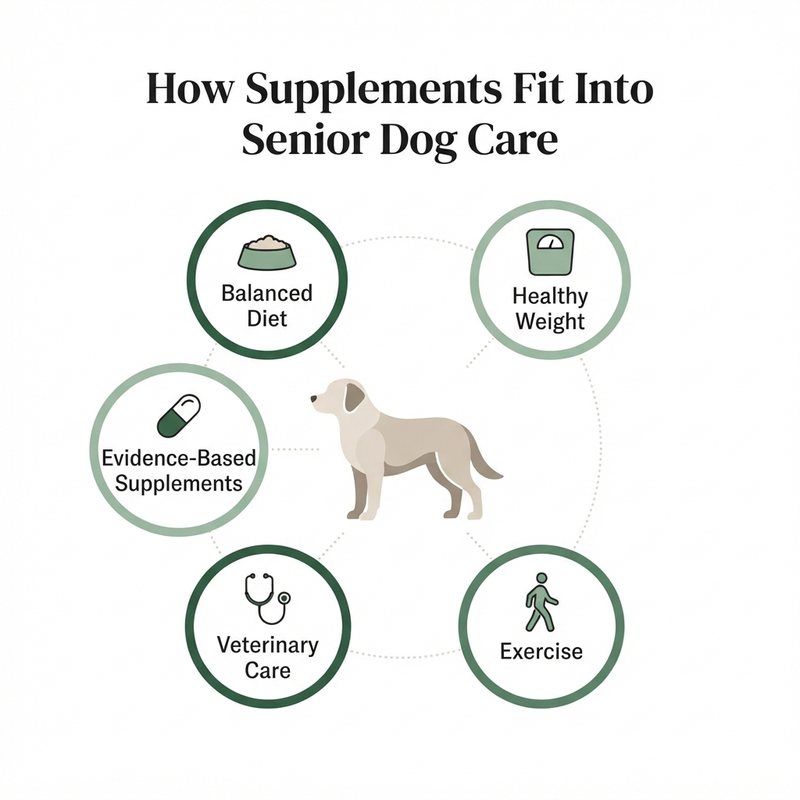
All five pillars carry equal weight. Supplements support, not replace, the foundation of healthy aging.
The Most Important Question
Before purchasing any supplement, ask yourself one simple question:
“What specific problem am I trying to solve?”
This question changes the entire decision-making process.
Instead of buying a supplement simply because it promises “overall wellness,” you begin focusing on your own dog's individual needs.
Ask yourself:
- Is my dog becoming stiff after exercise?
- Has my veterinarian diagnosed arthritis?
- Is my dog becoming forgetful or confused?
- Are digestive problems becoming more frequent?
- Has kidney disease already been diagnosed?
- Has my dog's coat become noticeably dry or dull?
Each situation may benefit from a different nutritional approach.
There is no single supplement that supports every organ, prevents every disease, or slows every aspect of aging.
The best supplement is not the one with the longest ingredient list.
It is the one selected to address a clearly identified health concern using ingredients supported by reliable scientific evidence.
Can a Healthy Diet Replace Supplements?
For many senior dogs, the answer is yes—at least in part.
A dog eating a complete and balanced commercial diet formulated according to recognized nutritional standards, such as those established by AAFCO or FEDIAF, already receives the essential vitamins and minerals needed for normal health.
This is why healthy dogs do not automatically require a daily multivitamin.
However, it is important to distinguish between essential nutrients and functional supplements.
Ingredients such as omega-3 fatty acids, glucosamine, green-lipped mussel, probiotics, and medium-chain triglycerides (MCTs) are generally not intended to correct nutritional deficiencies. Instead, they may provide additional support for specific health conditions.
For example:
- A balanced diet provides the nutrients required to maintain normal body functions.
- A joint supplement may help improve comfort in dogs with osteoarthritis.
- Omega-3 fatty acids may help reduce inflammation in certain conditions.
- Probiotics may support digestive health in dogs with recurring gastrointestinal problems.
These products are designed to complement an already balanced diet—not replace it.
Owners sometimes assume that “more nutrition” automatically means “better health.”
In reality, once a dog's nutritional requirements are met, adding more vitamins or minerals rarely provides additional benefit and, in some cases, excessive supplementation may even become harmful.
A balanced diet remains the foundation of healthy aging.
Supplements should only be considered after that foundation is already in place.
More Isn't Better
Pet owners often believe that if one supplement is beneficial, several supplements must be even better.
Unfortunately, biology does not work that way.
Many products contain overlapping ingredients.
For example, omega-3 fatty acids may already be present in:
- A joint supplement
- A skin and coat supplement
- A cognitive support formula
Giving all three products together may unintentionally increase the daily dose well beyond what was intended.
The same can happen with antioxidants, herbal extracts, vitamins, and trace minerals.
Although many supplements are considered safe when used appropriately, combining multiple products increases the risk of:
- Duplicate ingredients
- Excessive doses
- Digestive upset
- Drug–supplement interactions
- Unnecessary expense
Starting several supplements simultaneously also makes it difficult to know which one is actually helping.
If your dog improves after beginning four products at once, you will never know which supplement made the difference. Likewise, if side effects develop, identifying the responsible product becomes much more difficult.
Whenever possible, introduce one supplement at a time, allowing enough time to evaluate its effects before adding another.
This approach is both safer and more informative.
Quality Matters More Than Quantity
Not all supplements are manufactured to the same standards.
Unlike prescription medications, many dietary supplements are not required to undergo the same level of regulatory review before reaching the market. As a result, product quality, purity, and consistency can vary considerably between manufacturers.
Two supplements may list the same active ingredient on the label but differ significantly in:
- Ingredient purity
- Manufacturing quality
- Stability during storage
- Bioavailability (how well the body absorbs the ingredient)
- Accuracy of the labeled dosage
Some companies invest heavily in quality control, independent laboratory testing, and veterinary research. Others rely primarily on marketing while providing little evidence that their products consistently contain what the label claims.
When evaluating a supplement, consider asking the following questions:
- Is the manufacturer well established and transparent?
- Are the ingredients supported by published veterinary research?
- Does the company perform third-party quality testing?
- Is the dosage clearly stated?
- Does the product disclose all active and inactive ingredients?
Choosing one high-quality supplement supported by research is generally a better strategy than purchasing several products of uncertain quality.
The Happy Senior Pet Evidence Scale
Throughout this guide, you will see the Happy Senior Pet Evidence Scale, which summarizes the current strength of scientific evidence supporting each supplement.
🟢 Strong Evidence
Multiple well-designed veterinary studies consistently demonstrate meaningful clinical benefits for appropriately selected dogs.
🟡 Moderate Evidence
Several good-quality studies suggest benefits, but additional research is still needed before firm conclusions can be made.
🟠 Emerging Evidence
Early research appears promising, but current evidence remains limited or inconsistent.
⚪ Insufficient Evidence
There is currently little reliable scientific evidence supporting routine use in senior dogs.
Whenever possible, this guide prioritizes supplements supported by stronger veterinary evidence while remaining honest about areas where uncertainty still exists.
Do All Senior Dogs Need Supplements?
The simple answer is no.
Many healthy senior dogs live long, active lives without taking any supplements. If a dog is eating a complete and balanced diet, maintaining a healthy weight, exercising regularly, and receiving routine veterinary care, additional supplementation may provide little or no measurable benefit.
Age itself is not a disease.
Although aging increases the likelihood of developing conditions such as osteoarthritis, cognitive decline, heart disease, or kidney disease, not every senior dog experiences these problems.
Two dogs of the same age may have remarkably different health profiles. One may still enjoy hiking several miles with enthusiasm, while another may struggle to climb a few stairs because of arthritis.
For this reason, supplement decisions should be based on individual health needs rather than chronological age.
Veterinarians increasingly recommend a personalized approach, considering factors such as:
- Existing medical conditions
- Mobility and activity level
- Body condition and muscle mass
- Diet quality
- Blood test results
- Breed predispositions
- Current medications
- Overall quality of life
This individualized strategy helps avoid unnecessary supplementation while ensuring that dogs with specific health concerns receive appropriate nutritional support.
The goal is not to treat age itself, but to support the conditions that sometimes accompany aging.
Functional Age Matters More Than Birthday
Owners often ask:
“My dog just turned ten. Should I start giving supplements now?”
There is no universal age at which every dog should begin supplementation.
A much more useful concept is functional age—how your dog is actually aging rather than simply how many birthdays they have celebrated.
Veterinarians pay attention to changes such as:
- Slower recovery after exercise
- Difficulty standing after resting
- Reduced stamina during walks
- Mild stiffness
- Changes in hearing or vision
- Increased confusion or anxiety
- Altered sleep patterns
- Loss of muscle despite stable body weight
- Digestive changes
These observations often provide far more useful information than age alone.
Large-breed dogs frequently develop age-related changes earlier than smaller breeds, but every dog ages differently.
Healthy aging should always be evaluated individually.
Myth vs. Fact

Every senior dog should take a daily multivitamin.
Most healthy senior dogs eating a complete and balanced commercial diet already receive the essential vitamins and minerals they require. Routine multivitamin supplementation has not been shown to improve health or extend lifespan in otherwise healthy dogs.
Natural supplements are always safe.
"Natural" does not automatically mean safe. Some natural ingredients may interact with medications, affect blood clotting, upset digestion, or be inappropriate for dogs with certain medical conditions. Always discuss new supplements with your veterinarian, especially if your dog is taking prescription medications.
If one supplement helps, taking several must work even better.
More is not necessarily better. Combining multiple supplements may duplicate ingredients, increase costs, and raise the risk of side effects without providing additional benefits.
Supplements can reverse aging.
No supplement can stop or reverse the aging process. Some may help support specific body systems, improve comfort, or enhance quality of life, but they cannot make an older dog young again.
Five Questions Before Buying a Supplement
If you cannot confidently answer these questions, discuss the supplement with your veterinarian before making a purchase.
Chapter Summary
Growing older does not automatically mean a dog needs supplements.
The decision to use a supplement should always be based on the individual dog's health, lifestyle, diet, and medical history—not simply on age.
Supplements are most effective when they are used for a specific purpose, selected based on the best available scientific evidence, and combined with excellent nutrition, regular exercise, weight management, preventive veterinary care, and regular veterinary monitoring.
Throughout the remainder of this guide, we will examine the most common supplement categories one by one.
For each, we will answer the questions that matter most:
- Does it work?
- What does the science say?
- Which dogs are most likely to benefit?
- Are there risks or side effects?
- Is it worth the investment?
By the end of this guide, you will be able to distinguish evidence-based recommendations from marketing claims and make confident decisions that support your senior dog's health, comfort, and quality of life.

Looking Ahead
Next Chapter
Joint Health Supplements
Glucosamine, Chondroitin, Green-Lipped Mussel & More: What Really Works?
In the next chapter, we will examine the most popular joint supplements for senior dogs, review the scientific evidence behind each ingredient, discuss realistic expectations, and help you determine which options may be worth considering for dogs with arthritis or declining mobility.
Continue reading: Supporting Healthy Joints & Mobility · Supporting Brain & Cognitive Health · How to Choose High-Quality Supplements
Supporting Joint Health in Senior Dogs
Helping your dog stay active, comfortable, and mobile through every stage of aging.

2.1
Understanding Joint Health: Why Mobility Matters More Than You Think
One of the greatest gifts we can give our senior dogs is the ability to move comfortably.
For many families, the first signs of aging appear subtly. A dog that once jumped effortlessly into the car now hesitates. Climbing stairs becomes slower. Long walks become shorter. Play sessions end sooner than they used to. These changes are often dismissed as "just getting old."
In reality, aging itself is not the problem.
Pain is.
The vast majority of mobility problems in senior dogs are caused by changes occurring inside their joints—many of which can be managed or slowed with the right combination of veterinary care, nutrition, exercise, weight management, and evidence-based supplements.
Understanding what happens inside an aging joint helps explain why some supplements work, why others offer limited benefit, and why no supplement should ever be expected to perform miracles on its own.
Healthy Joints: A Remarkable Engineering System
A healthy joint is an extraordinary piece of biological engineering.
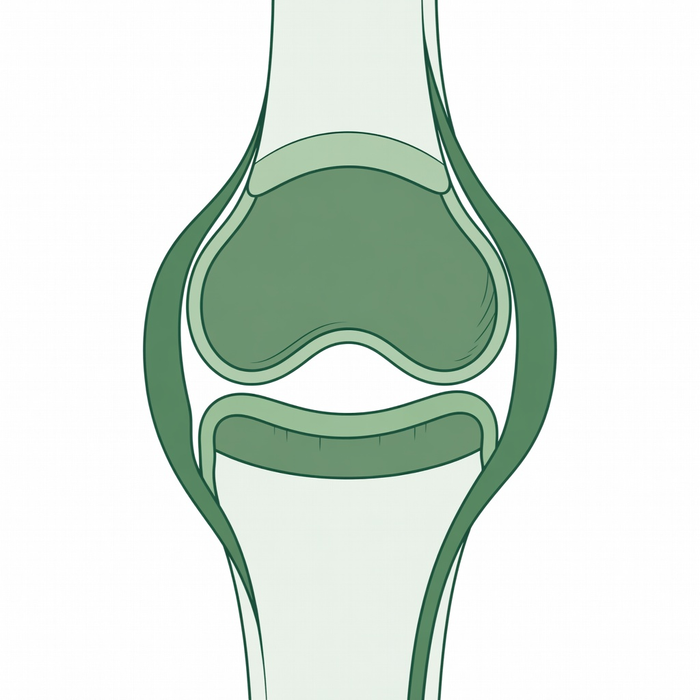
Where two bones meet, their ends are covered by a smooth, resilient tissue called articular cartilage. Unlike bone, cartilage contains no blood vessels or nerves. Its primary job is to allow the bones to glide over one another with almost no friction while absorbing the enormous forces created during walking, running, jumping, and playing.
Covering the joint is a capsule lined by the synovial membrane, which produces synovial fluid—a thick, slippery lubricant often compared to motor oil in an engine.
Synovial fluid serves several essential functions:
- lubricates joint movement
- nourishes cartilage
- absorbs shock
- reduces wear between bone surfaces
Together, cartilage, synovial fluid, ligaments, tendons, muscles, and surrounding connective tissues create a system designed for decades of smooth movement.
Unfortunately, this system becomes less efficient with age.
What Changes as Dogs Age?
Aging affects nearly every structure involved in joint health.
Cartilage gradually loses its ability to repair itself.
The cells responsible for maintaining cartilage, called chondrocytes, become less active. At the same time, natural wear accumulates over years of movement.
Synovial fluid may become less effective at lubricating the joint.
Muscles surrounding the joint often shrink if activity decreases, providing less support and stability.
Ligaments may become less elastic, reducing joint stability.
Perhaps most importantly, a state of chronic low-grade inflammation becomes more common throughout the body. This inflammatory environment contributes to ongoing cartilage breakdown and plays a major role in osteoarthritis.
These changes do not happen overnight.
They develop gradually over months or years, often long before owners notice obvious signs of pain.
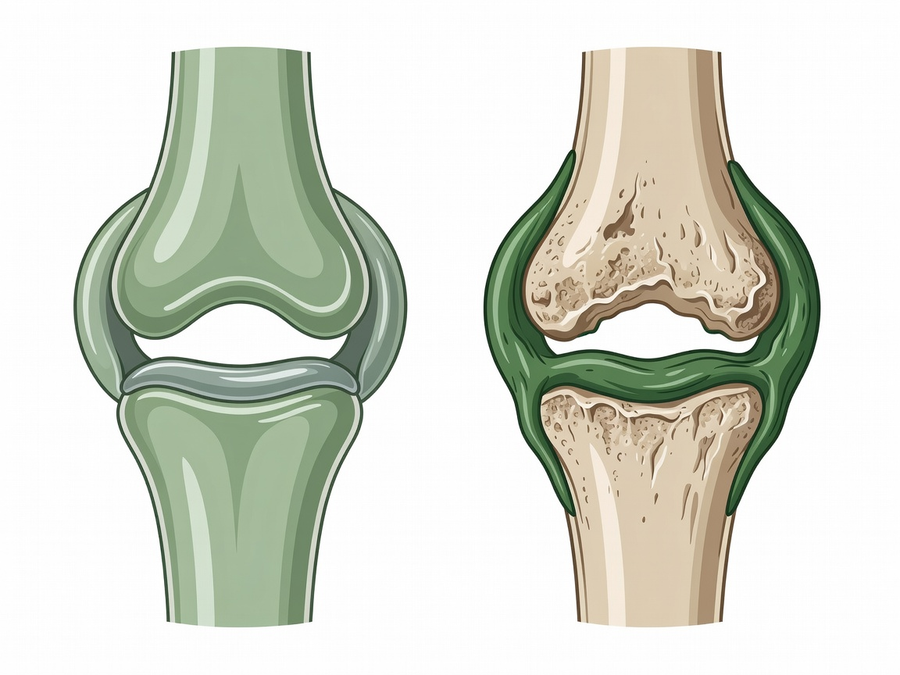
Osteoarthritis: The Most Common Cause of Joint Pain
The most common joint disease affecting senior dogs is osteoarthritis (OA), also called degenerative joint disease.
Contrary to popular belief, osteoarthritis is not simply "wear and tear."
It is a complex disease involving:
- progressive cartilage degeneration
- inflammation inside the joint
- changes in the underlying bone
- reduced production and quality of synovial fluid
- thickening of the joint capsule
- muscle loss around the affected joint
As the disease progresses, movement becomes painful.
Pain leads to reduced activity.
Reduced activity causes muscle loss.
Less muscle support places even greater stress on the joint.
This creates a vicious cycle that accelerates disability if left unmanaged.
Risk Factors for Osteoarthritis
Although any dog can develop osteoarthritis, several factors increase the risk.
Age
Simply living longer increases cumulative stress on joints.
Excess Body Weight
Carrying excess weight dramatically increases mechanical stress on weight-bearing joints while also promoting inflammation throughout the body.
Maintaining a healthy body condition is one of the most effective ways to reduce arthritis progression.
Previous Injuries
Ligament tears, fractures, and joint trauma often lead to arthritis years later, even after successful treatment.
Breed and Genetics
Large and giant breeds—including Labrador Retrievers, Golden Retrievers, German Shepherds, Rottweilers, and Bernese Mountain Dogs—have higher rates of orthopedic disease.
However, smaller breeds are certainly not immune.
Developmental Orthopedic Conditions
Hip dysplasia, elbow dysplasia, luxating patella, and other developmental abnormalities significantly increase the likelihood of arthritis later in life.
Recognizing the Early Signs
Many owners expect arthritis to cause obvious limping.
In reality, the earliest signs are often much more subtle.
Watch for changes such as:
- reluctance to jump into the car
- difficulty climbing stairs
- stiffness after resting
- slower pace during walks
- decreased enthusiasm for play
- sleeping more than usual
- hesitation before standing
- slipping on smooth floors
- licking painful joints
- changes in temperament due to discomfort
Because these changes develop gradually, many families adapt without realizing their dog is living with chronic pain.
Early recognition allows earlier intervention, which can significantly improve long-term quality of life.
Why Weight Matters So Much
If there is one intervention supported by overwhelming scientific evidence, it is maintaining a healthy body weight.
Every extra pound increases the load placed on the joints thousands of times each day.
Fat tissue is also metabolically active.
It releases inflammatory compounds called adipokines, which contribute to chronic inflammation and may accelerate cartilage degeneration.
Research consistently shows that weight reduction alone can significantly improve mobility and reduce pain in overweight dogs with osteoarthritis.
For this reason, veterinarians often consider weight management the foundation of any arthritis treatment plan.
Exercise Is Medicine—When Done Correctly
Many owners believe painful joints require rest.
In fact, prolonged inactivity usually makes arthritis worse.
Appropriate exercise helps maintain:
- muscle strength
- joint flexibility
- balance
- coordination
- healthy body weight
- mental well-being
The goal is not intense exercise but consistent, low-impact movement.
Excellent options include:
- leash walks
- swimming
- underwater treadmill therapy
- controlled hill walking
- therapeutic exercises recommended by rehabilitation professionals
Activities involving repeated jumping, sudden turns, or explosive acceleration may worsen symptoms in some dogs.
Where Do Supplements Fit In?
Supplements are often marketed as miracle solutions.
The science tells a different story.
The best evidence suggests that certain supplements can help support joint health, reduce inflammation, or improve comfort in some dogs—but they work best as part of a comprehensive management plan.
An effective arthritis strategy may include:
- maintaining a healthy weight
- regular low-impact exercise
- physical rehabilitation
- environmental modifications at home
- pain medications when prescribed
- evidence-based nutritional supplements
No supplement can rebuild severely damaged cartilage or completely reverse osteoarthritis.
However, the right supplement may reduce discomfort, improve mobility, or slow aspects of disease progression, especially when introduced early.
Understanding which ingredients have strong scientific support—and which rely mostly on marketing claims—is the focus of the remainder of this chapter.
Happy Senior Pet Key Takeaways
Aging itself does not cause pain—joint disease does.
Osteoarthritis is a complex inflammatory disease, not simply "wear and tear."
Maintaining a healthy weight is one of the most effective ways to improve mobility.
Regular, low-impact exercise helps preserve muscle, flexibility, and joint function.
Supplements work best when combined with weight management, exercise, veterinary care, and environmental support.
Evidence differs greatly among supplements, making informed choices essential.
Omega-3 Fatty Acids (EPA & DHA)
Why marine-derived EPA and DHA are among the most evidence-supported nutritional options for canine joint comfort and mobility.

2.2
How EPA and DHA Work Inside the Joint
To understand why omega-3 fatty acids have become one of the most widely recommended nutritional interventions for canine osteoarthritis, it helps to look inside an inflamed joint.
Healthy joints exist in a delicate balance. Throughout life, cartilage is constantly being broken down and rebuilt. Under normal circumstances, these two processes occur at roughly the same rate, allowing joints to remain smooth, resilient, and functional for many years.
In osteoarthritis, however, this balance is disrupted.
Inflammatory chemicals produced within the joint stimulate enzymes that gradually break down cartilage faster than the body can repair it. At the same time, inflammation sensitizes nearby nerve endings, making movement increasingly painful. Synovial fluid becomes less effective as a lubricant, muscle strength declines as activity decreases, and the entire joint becomes progressively less stable.
EPA and DHA do not replace damaged cartilage or reverse arthritis. Instead, they influence the inflammatory environment inside the joint.
After being absorbed through the digestive tract, EPA and DHA become incorporated into the membranes of cells throughout the body, including immune cells involved in inflammation. Over time, these fatty acids alter the types of signaling molecules produced during the inflammatory response.
Rather than completely shutting inflammation off—which would be neither possible nor desirable—omega-3 fatty acids help shift the body toward a more balanced inflammatory response.
Researchers have identified several mechanisms through which EPA and DHA may support joint health, including:
- reducing production of inflammatory eicosanoids derived from arachidonic acid
- promoting the formation of specialized pro-resolving mediators involved in ending inflammation
- decreasing activity of enzymes that contribute to cartilage degradation
- supporting healthier synovial fluid composition
- helping preserve normal cartilage metabolism
Although these biological mechanisms are complex, the practical message for dog owners is straightforward:
“Less chronic inflammation often translates into greater comfort and improved mobility.”
ALA
Alpha-linolenic acid, plant sourceEPA
Eicosapentaenoic acidDHA
Docosahexaenoic aciddogs convert very little ALA into EPA and DHA.
EPA & DHA
Marine Omega-3sHealthier Inflammatory Balance
Improved Comfort
Better Mobility
What Does the Veterinary Research Show?
One of the reasons omega-3 fatty acids receive so much attention is that they have been evaluated in considerably more canine studies than many other joint supplements.
Several clinical trials involving dogs with naturally occurring osteoarthritis have reported improvements in mobility, weight-bearing, willingness to walk, and overall comfort after diets enriched with marine-derived omega-3 fatty acids.
In many studies, owners noticed their dogs becoming more willing to:
- rise after resting
- climb stairs
- play
- walk longer distances
- bear weight on affected limbs
Veterinarians participating in these studies often reported improvements in orthopedic examinations as well.
Some studies have even suggested that dogs receiving higher dietary levels of EPA and DHA required lower doses of certain pain medications over time. While medication decisions should always remain between owners and their veterinarians, these findings suggest that nutritional management may complement medical therapy rather than replace it.
It is important to recognize, however, that research results are not identical across every study.
Differences in supplement formulation, dosage, treatment duration, study design, and severity of osteoarthritis all influence outcomes.
For this reason, responsible experts describe the evidence as supportive rather than curative.
Omega-3 supplementation can improve quality of life for many dogs, but it does not eliminate arthritis or regenerate severely damaged joints.
This distinction is important because realistic expectations lead to greater satisfaction and better long-term treatment decisions.
“Marine-derived EPA and DHA are among the most evidence-supported nutritional supplements for dogs with osteoarthritis.”
Which Dogs Are Most Likely to Benefit?
Although almost any dog with inflammatory joint disease may benefit from marine omega-3 supplementation, some groups appear especially likely to respond.
Dogs with Early Osteoarthritis
Introducing nutritional support during the earlier stages of disease may help reduce ongoing inflammation before severe structural damage has developed.
While omega-3s cannot prevent every case of arthritis, early intervention may support healthier joint function for longer.
Dogs Carrying Excess Body Weight
Overweight dogs experience two major challenges simultaneously.
First, every additional pound increases the mechanical load placed on already compromised joints.
Second, excess fat tissue produces inflammatory compounds that contribute to chronic systemic inflammation.
Because omega-3 fatty acids help regulate inflammatory pathways, they may be particularly valuable when combined with a carefully supervised weight-loss program.
However, no supplement can compensate for excess body weight.
Weight management remains the single most effective nutritional intervention for overweight dogs with osteoarthritis.
Large and Giant Breeds
Large breeds naturally place greater forces across their joints throughout life.
Conditions such as hip dysplasia and elbow dysplasia are also more common in these breeds, increasing their lifetime risk of osteoarthritis.
Many veterinarians therefore recommend considering omega-3 supplementation as part of a comprehensive joint-support strategy for aging large-breed dogs.
Highly Active Senior Dogs
Some senior dogs remain remarkably active well into their later years.
Whether hiking, swimming, participating in canine sports, or simply enjoying long daily walks, these dogs continue placing substantial demands on their joints.
Maintaining an appropriate intake of EPA and DHA may help support recovery after exercise while contributing to overall joint comfort.
Dogs with Multiple Age-Related Conditions
One unique advantage of omega-3 fatty acids is that their benefits extend well beyond the joints.
Research has explored potential roles for EPA and DHA in supporting:
- skin and coat health
- cardiovascular function
- kidney health
- cognitive aging
- retinal health
- immune regulation
Although each of these areas requires its own discussion—and the strength of evidence varies—they illustrate an important principle:
Unlike supplements designed to target only one structure, omega-3 fatty acids influence multiple physiological systems simultaneously.
For many senior dogs, this broad range of effects makes them one of the most versatile nutritional supplements available.
When Should Owners Expect Results?
“How long before I notice a difference?”
Unlike pain medications, which may begin working within hours, omega-3 supplementation requires patience.
EPA and DHA must gradually become incorporated into cell membranes before meaningful biological changes occur.
For this reason, improvements usually develop slowly rather than overnight.
Many clinical studies have evaluated dogs over periods of 8 to 12 weeks, with some owners reporting subtle improvements earlier and others noticing changes only after several months of consistent supplementation.
The pace of improvement depends on many factors, including:
- severity of osteoarthritis
- body weight
- activity level
- concurrent medications
- overall health
- consistency of supplementation
- EPA and DHA dosage
Some dogs experience noticeable improvements in willingness to walk or rise after resting, while others show only modest changes.
As with nearly every arthritis treatment, individual responses vary considerably.
Owners should think of omega-3 supplementation as a long-term investment in joint health rather than a rapid pain-relief product.
Consistency—not speed—is what produces the greatest benefit.
Safety and Precautions
Marine omega-3 fatty acids are generally considered among the safest nutritional supplements used in veterinary medicine. When provided in appropriate amounts and under veterinary guidance, most dogs tolerate them well, even during long-term use.
Like any biologically active supplement, however, omega-3s are not completely free of potential side effects or precautions.
The most commonly reported adverse effects are mild gastrointestinal disturbances, particularly during the first few weeks of supplementation. Some dogs may experience loose stools, soft feces, flatulence, or occasional vomiting. These effects often improve when the supplement is introduced gradually or given with meals.
Because fish oil is calorie-dense, owners should also remember that it contributes additional calories to the daily diet. Although the amount may seem small, consistent supplementation over months can become significant for overweight dogs if total caloric intake is not adjusted.
At higher doses, omega-3 fatty acids may influence normal blood clotting. This effect is generally not a concern for healthy dogs receiving routine supplementation, but veterinarians may recommend additional caution in dogs that:
- have bleeding disorders
- are receiving anticoagulant medications
- are scheduled for surgery
- have certain liver diseases affecting clotting function
Dogs with pancreatitis or a history of fat intolerance may also require individualized recommendations because fish oil contributes dietary fat.
As with any supplement, omega-3 fatty acids should never replace appropriate veterinary diagnosis or treatment. Persistent lameness, sudden pain, neurological changes, or severe mobility problems always require professional evaluation.
Choosing a High-Quality Omega-3 Supplement
Walking into a pet store or searching online can be overwhelming. Hundreds of products advertise “fish oil,” “salmon oil,” or “omega-3 support,” yet their quality varies considerably.
Learning to read the label is one of the most valuable skills pet owners can develop.
Look Beyond “Fish Oil”
One of the biggest marketing misconceptions is assuming that more fish oil automatically means more omega-3s.
It does not.
A bottle advertising 1,000 mg of fish oil may contain very different amounts of EPA and DHA than another bottle with the same total oil volume.
Always look for products that clearly list:
- EPA (mg)
- DHA (mg)
These numbers are far more meaningful than total fish oil content.
“Fish oil content alone tells you very little. Always compare the actual milligrams of EPA and DHA.”
Choose Transparent Manufacturers
High-quality manufacturers typically provide:
- complete ingredient disclosure
- exact EPA and DHA concentrations
- lot numbers
- expiration dates
- contaminant testing
- clear dosing recommendations
Transparency is usually a good indicator of manufacturing quality.
Consider Independent Quality Programs
Whenever possible, look for companies that participate in recognized quality assurance programs or demonstrate independent testing of their products.
While certification alone does not guarantee clinical effectiveness, it provides additional confidence that the product contains what the label claims.
Freshness Matters
Omega-3 fatty acids are susceptible to oxidation.
As oils become oxidized, they gradually lose quality and may develop an unpleasant odor.
Store supplements according to manufacturer recommendations and discard products that smell strongly rancid or have passed their expiration date.
Capsules, Liquids, or Chews?
No single formulation is best for every dog.
Capsules often provide excellent stability and accurate dosing.
Liquid products allow easier adjustment for dogs of different sizes.
Soft chews may improve compliance but sometimes contain lower concentrations of EPA and DHA or additional ingredients that contribute unnecessary calories.
The best product is one that provides an appropriate amount of EPA and DHA, maintains good quality standards, and can be administered consistently.
Fish oil
Krill oil
Algae oil
Common Marketing Myths
The supplement industry is filled with persuasive advertising. Understanding a few common myths can help owners make better purchasing decisions.
Myth 1: “All Omega-3 Supplements Are the Same”
Reality:
Products differ enormously in EPA concentration, DHA concentration, purity, manufacturing quality, and freshness.
Myth 2: “More Is Always Better”
Reality:
Higher doses are not necessarily more effective and may increase the risk of side effects.
Appropriate dosing should always consider the dog's size, medical history, diet, and overall treatment plan.
Myth 3: “Flaxseed Oil Works the Same as Fish Oil”
Reality:
Flaxseed contains ALA, not significant amounts of EPA and DHA.
Because dogs convert ALA inefficiently, marine sources generally provide far greater biological value for joint support.
Myth 4: “Omega-3s Cure Arthritis”
Reality:
No nutritional supplement cures osteoarthritis.
Omega-3 fatty acids help support healthier inflammatory balance and may improve comfort and mobility, but they do not regenerate severely damaged cartilage.
Happy Senior Pet Evidence Snapshot
Supplement
Marine Omega-3 Fatty Acids (EPA & DHA)
Primary Purpose
Support healthy inflammatory balance and improve mobility in dogs with osteoarthritis.
Best For
Senior dogs with osteoarthritis, chronic joint stiffness, or inflammatory joint disease.
Evidence Strength
★★★★★
Among the strongest evidence available for nutritional management of canine osteoarthritis.
Expected Time to Results
Typically 8-12 weeks of consistent supplementation.
Safety
Generally well tolerated.
Most common side effects involve mild digestive upset.
Veterinary guidance is recommended for dogs with bleeding disorders, pancreatitis, or those taking anticoagulant medications.
Bottom Line
Marine-derived EPA and DHA are among the most evidence-supported nutritional supplements currently available for supporting dogs with osteoarthritis. While they cannot reverse arthritis, they may significantly improve comfort, mobility, and quality of life when combined with weight management, appropriate exercise, veterinary care, and other components of a comprehensive treatment plan.
Frequently Asked Questions
Sometimes—but not always.
Human products vary widely in concentration, purity, flavorings, and additional ingredients. Some formulations may also contain vitamin A or vitamin D in amounts that are inappropriate for dogs.
Whenever possible, discuss product selection with your veterinarian.
Happy Senior Pet Key Takeaways
Marine-derived EPA and DHA have some of the strongest scientific evidence supporting nutritional management of canine osteoarthritis.
EPA is particularly important for regulating inflammatory pathways involved in joint disease.
Fish oil content alone tells you very little—always compare the actual milligrams of EPA and DHA.
Improvements develop gradually and typically require several weeks of consistent supplementation.
Omega-3s work best as part of a comprehensive arthritis management plan that includes healthy body weight, regular low-impact exercise, veterinary care, and environmental support.
Quality matters. Choose transparent manufacturers that clearly disclose EPA and DHA content and maintain high manufacturing standards.
Happy Senior Pet Editorial Perspective
If we could recommend only one evidence-based nutritional supplement for the average senior dog living with osteoarthritis, marine-derived EPA and DHA would be among the strongest candidates based on current veterinary research.
Not because they are a miracle cure—they are not—but because they combine a favorable safety profile with biologically plausible mechanisms and a body of clinical evidence suggesting meaningful improvements in mobility and comfort for many dogs.
Their greatest strength lies not in replacing medications or reversing arthritis, but in supporting a healthier inflammatory environment over the long term. When paired with weight management, regular movement, rehabilitation, and individualized veterinary care, omega-3 fatty acids become one of the cornerstones of a comprehensive strategy for helping senior dogs remain active, comfortable, and engaged in daily life.
2.3 — Glucosamine & Chondroitin
An evidence-based look at two of the most widely used joint supplements for senior dogs.
2.4 — Green-Lipped Mussel
A unique marine ingredient with growing scientific interest for canine joint health.
2.5 — MSM (Methylsulfonylmethane)
A sulfur-containing compound with growing interest for supporting comfort and mobility in dogs with osteoarthritis.
3.1 — Is My Dog Just Getting Older?
Understanding brain aging in senior dogs — which behavioral changes are normal and which deserve closer attention.
3.2 — Canine Cognitive Dysfunction (CCD)
Understanding dog dementia, how it differs from normal aging, and why recognizing patterns early matters.
3.3 — Nutrition for the Aging Brain
How everyday nutrition may support lifelong cognitive health — food first, supplements second.
3.4 — Everyday Habits That Support a Healthy Brain
Small daily choices that can make a meaningful difference — from movement and sleep to routine and companionship.
Supporting Digestive Health
Fiber, hydration, and microbiome support — where supplements may fit alongside diet adjustments.
Chapter 4 will cover common senior digestive changes and when fiber, probiotics, or digestive enzymes are appropriate to discuss with a veterinarian.

Illustration: Digestive tract and fiber types for dogs
Evidence Snapshot
Supplement Name
Probiotics (strain-specific)
Primary Purpose
Supporting stool quality and gut comfort
Best For
Dogs with occasional soft stool or gas after dietary transitions
Evidence Strength
Individual strains have variable evidence
Time to Results
1–3 weeks
Safety
Generally tolerated; introduce gradually
Veterinary Use
Increasingly discussed for dogs with recurring digestive sensitivity
Bottom Line
Certain probiotic strains have demonstrated benefits for specific digestive concerns in dogs. However, effects are highly strain-dependent — a product that helped one dog may use different strains than another. Consulting your veterinarian about which specific strains, if any, match your dog's situation is the most reliable approach.
Bottom Line
Certain probiotic strains have demonstrated benefits for specific digestive concerns in dogs. However, effects are highly strain-dependent — a product that helped one dog may use different strains than another. Consulting your veterinarian about which specific strains, if any, match your dog's situation is the most reliable approach.
Bottom Line
Certain probiotic strains have demonstrated benefits for specific digestive concerns in dogs. However, effects are highly strain-dependent — a product that helped one dog may use different strains than another. Consulting your veterinarian about which specific strains, if any, match your dog's situation is the most reliable approach.
Supporting Heart, Kidney & Liver Health
Organ health in senior dogs benefits most from veterinary monitoring. Learn where supplements are and are not appropriate.
Chapter 5 will emphasize lab work, blood pressure screening, and prescription diet considerations before any supplemental approach.
Organ health in senior dogs is primarily managed through veterinary monitoring — regular bloodwork, blood pressure checks, urinalysis, and appropriate prescription diets when indicated. Supplements should never replace these essential steps.
Infographic: Heart, kidney & liver — veterinary screening checklist
What You Can Do Today
Supporting Skin, Coat & Immune Health
Coat changes can reflect nutrition, age, and underlying health. Understand when supplements meaningfully help.
Chapter 6 will connect skin and coat quality to protein adequacy, fatty acid intake, and overall health screening.
Evidence Snapshot
Supplement Name
Omega-3 EPA/DHA (second example)
Primary Purpose
Supporting skin comfort and coat quality
Best For
Dogs with dry coat or mild irritation after veterinary assessment
Evidence Strength
Moderate — supportive for skin and coat in several studies
Time to Results
4–6 weeks
Safety
Discuss source and dose, especially with clotting concerns
Veterinary Use
—
Bottom Line
Often one of the first evidence-informed options veterinarians discuss for skin and coat alongside a balanced diet. Marine-source omega-3s (EPA and DHA) have the most published research for canine skin health. Results typically take several weeks of consistent dosing, and quality varies widely — look for products that specify EPA and DHA content in milligrams, not just total fish oil volume.
Bottom Line
Often one of the first evidence-informed options veterinarians discuss for skin and coat alongside a balanced diet. Marine-source omega-3s (EPA and DHA) have the most published research for canine skin health. Results typically take several weeks of consistent dosing, and quality varies widely — look for products that specify EPA and DHA content in milligrams, not just total fish oil volume.
Bottom Line
Often one of the first evidence-informed options veterinarians discuss for skin and coat alongside a balanced diet. Marine-source omega-3s (EPA and DHA) have the most published research for canine skin health. Results typically take several weeks of consistent dosing, and quality varies widely — look for products that specify EPA and DHA content in milligrams, not just total fish oil volume.
Practical Takeaway
Before adding a supplement for coat health, review food type, treat intake, bathing routine, and parasite prevention with your veterinarian.
How to Choose High-Quality Supplements
Label reading, certifications, and red flags — a veterinarian-informed buying guide without product endorsements.
Chapter 7 is the cornerstone trust chapter. It will cover NASC, USP verified, NSF, dosage consistency, and why third-party testing matters.
Learning to read a supplement label is one of the most valuable skills a pet owner can develop. The table below compares quality signals worth looking for with common marketing language that tells you little about a product's actual quality.
Quality Signals vs. Marketing Claims
Veterinary Insight
Bring the supplement label, not just the name, to your appointment. Lot number, guaranteed analysis, and dose per chew matter for safety review.
Frequently Asked Questions
Answers to common questions about supplements for senior dogs, framed for a conversation with your veterinarian.
Final Thoughts
Bringing it together — thoughtful supplement use as one part of comprehensive senior care.
Chapter 9 will close with a calm summary: food first, veterinary partnership, quality over claims, and tracking outcomes.
The world of pet supplements can feel overwhelming, but the principles are straightforward: focus on your individual dog's needs rather than age alone, prioritize products with transparent quality standards, introduce one supplement at a time, and always keep your veterinarian in the conversation.
Key Takeaway
Supplements can be helpful tools when there is a clear reason, a quality product, and veterinary guidance.
The most consistent benefits come when they complement balanced nutrition, healthy weight, regular movement, and preventive veterinary care.
Stay Updated
Receive evidence-based senior pet care guides and practical tips every two weeks.
References
Scientific citations and source material will appear here in final editorial review. No supplement efficacy claims are included until veterinary review is complete.
Editorial Credits — To be completed
Editorial team, veterinary reviewer, and contributors will be listed here following final review. No names, biographies, or review claims are shown until editorial completion.
Editorial Team
To be completed
Pending editorial assignment
Veterinary Reviewer
To be completed
No veterinary review claim until assigned
Contributors
To be completed
Pending final manuscript expansion